Facilitation training
for inDrive managers
An in-person training for a team of project managers that helped them run better meetings and communicate with stakeholders across different cultures.
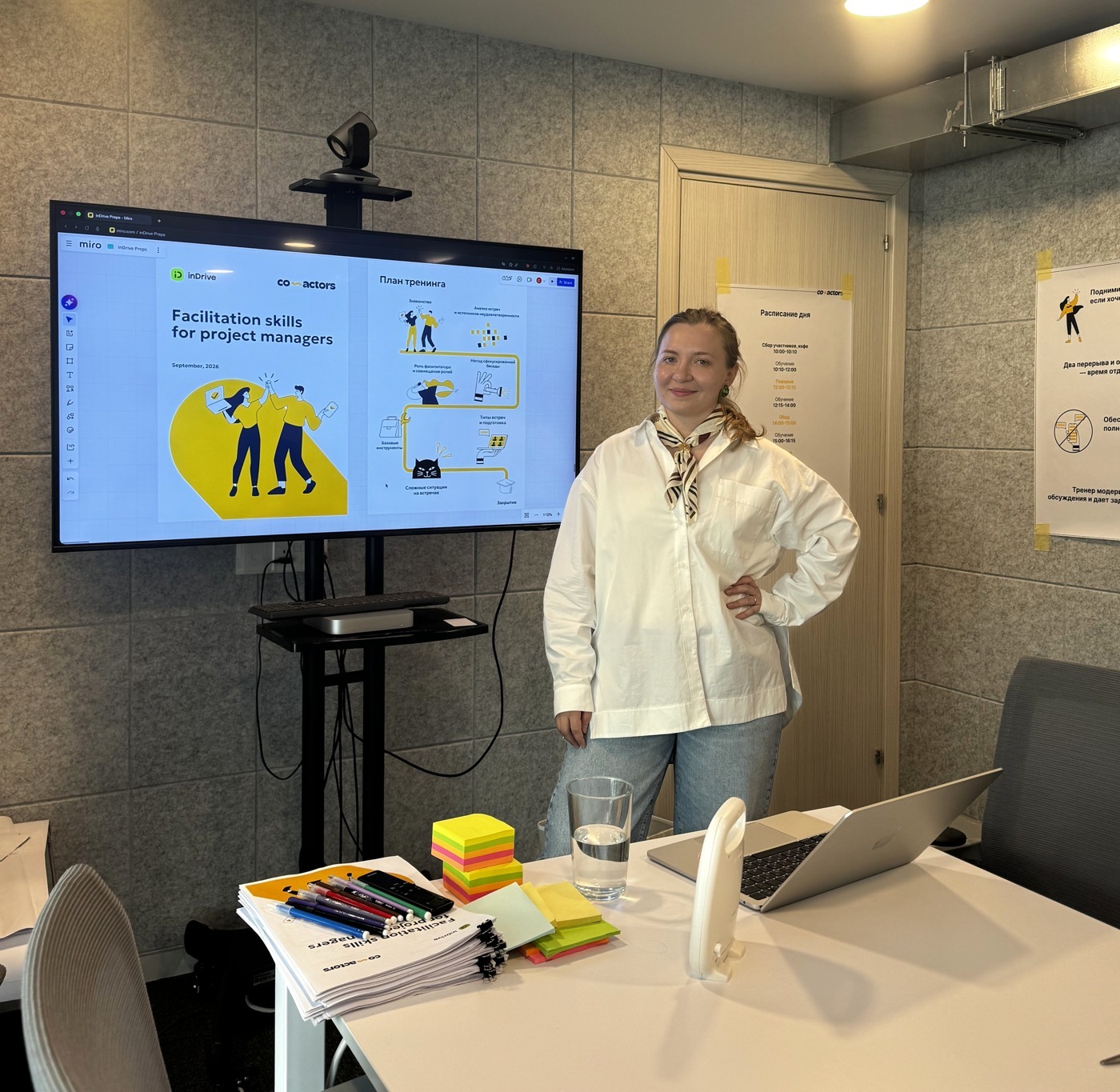
Meet inDrive
inDrive is a global tech company whose products run in more than 900 cities across 48 countries. inDrive is a platform for transportation and urban services.

inDrive's success is built on a strong internal culture that values initiative, freedom, and the drive to make the world a better place.
A request to train managers
The training was commissioned by Ekaterina Zhdanova, head of the project management team. The team runs complex projects with many stakeholders from different countries — each with their own goals, opinions, and culture. The managers have no direct reports: they have to influence senior leaders and other teams without formal authority.
The main request: teach the managers facilitation practices that would improve their meetings and the quality of decisions on their projects.
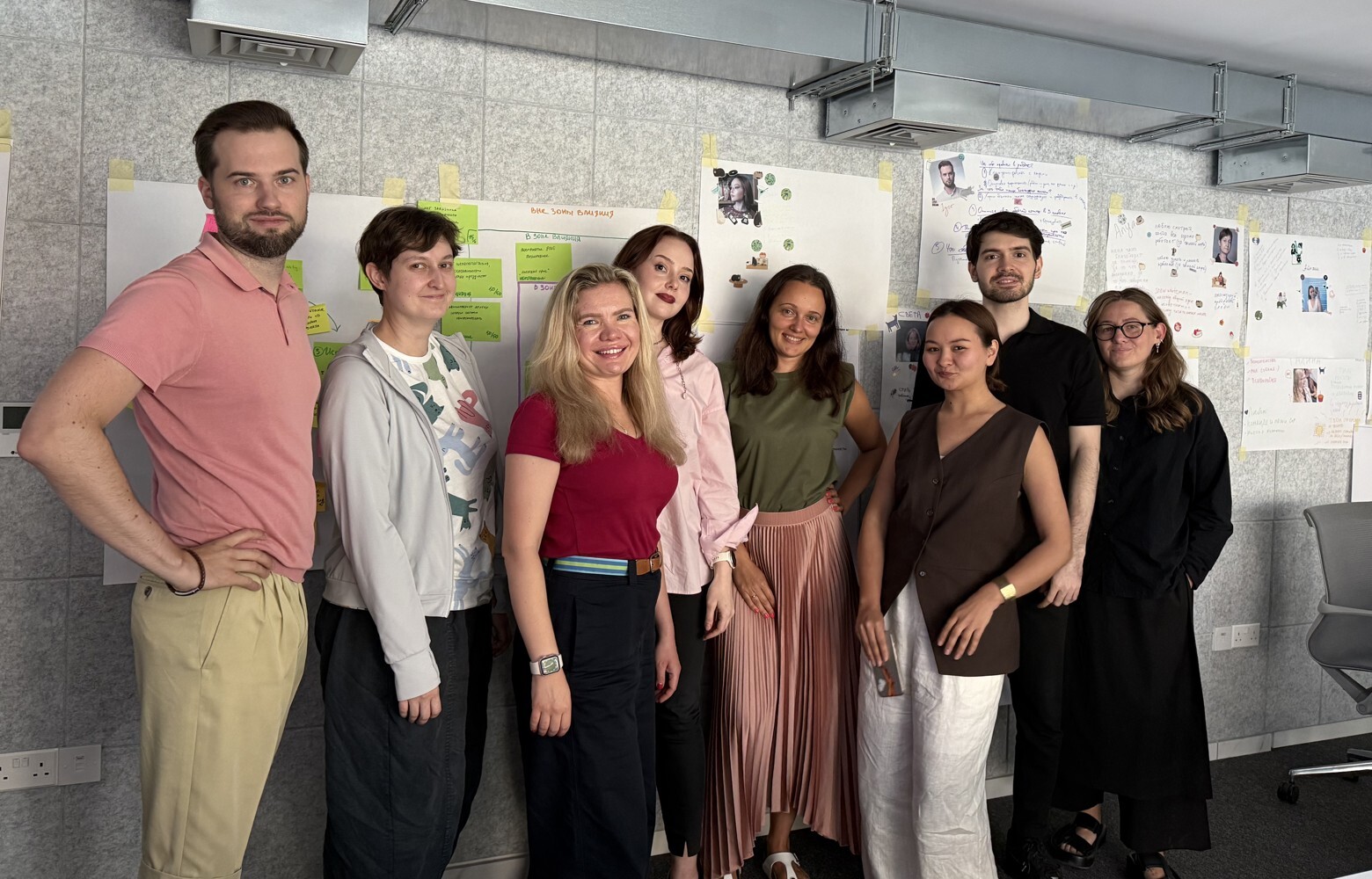
A secondary goal was to help the team get to know each other better: five of the eight had been with the company less than six months, and this was the first time the whole group met in person. It was also a chance to align on shared approaches to meetings.
Key focus areas
Based on participant interviews and a survey, we identified several key blocks for the programme:
- Facilitating spontaneous meetings and discussions
- The facilitator role for managers
- Difficult situations in meetings
- Working with participants from different cultures
"Before the training, I spoke with each participant individually and gathered their challenges and expectations for the training. We sorted these into three groups: what the training would cover fully, what it would cover with specific tools, and what belonged to stakeholder management and fell outside facilitation.
The main challenge was that a pure facilitator role doesn't always fit project managers. We had to rebuild the programme so the managers could see the value of this role and of facilitation practices for themselves. My own background as a project manager helped here — both to understand the participants better and to build a programme that would genuinely be useful to them."

What's inside
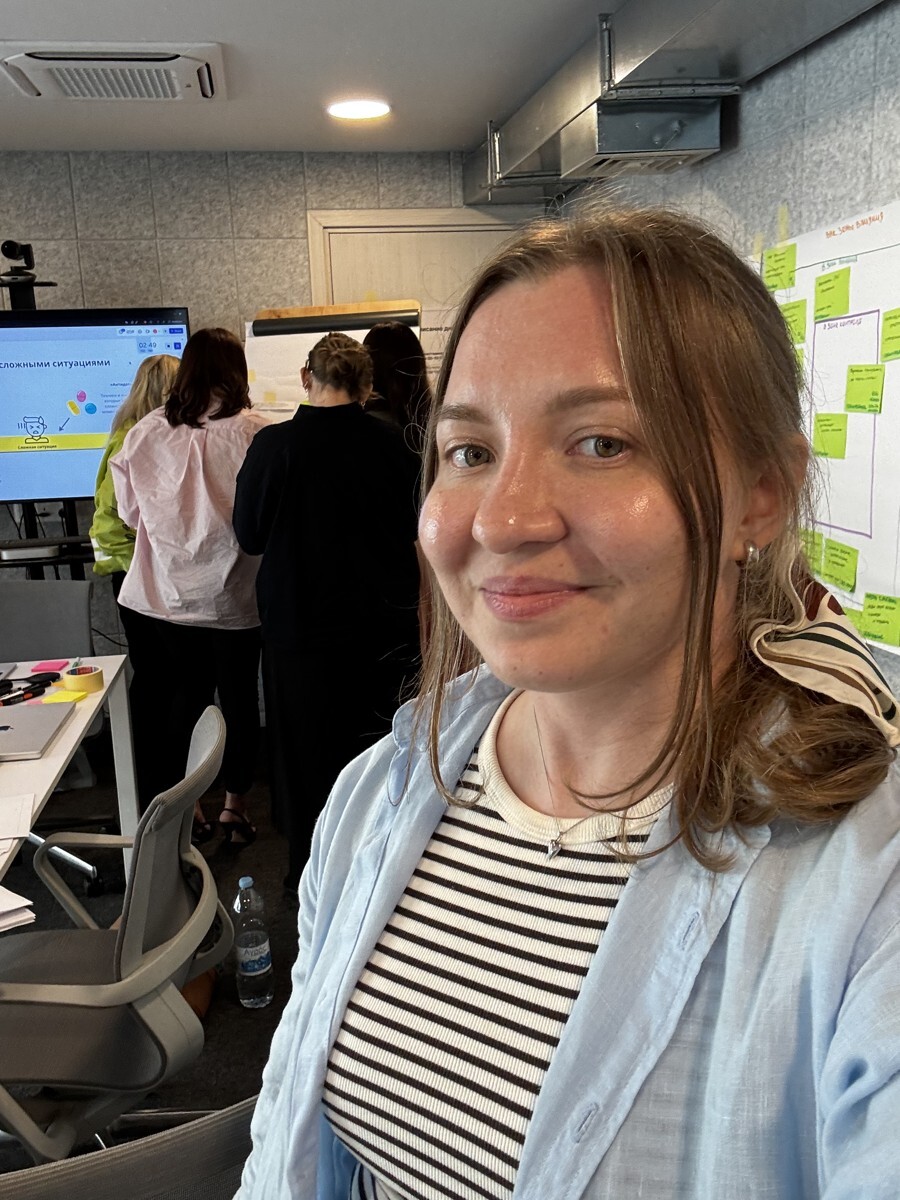
The group had eight managers with varied backgrounds, so part of the task was also aligning how they ran meetings with each other.
Want to run something similar with your managers?
We run corporate facilitation trainings in person and online, in Russian and English. Tell us about your request — we'll match the format and the trainer.
What the client says
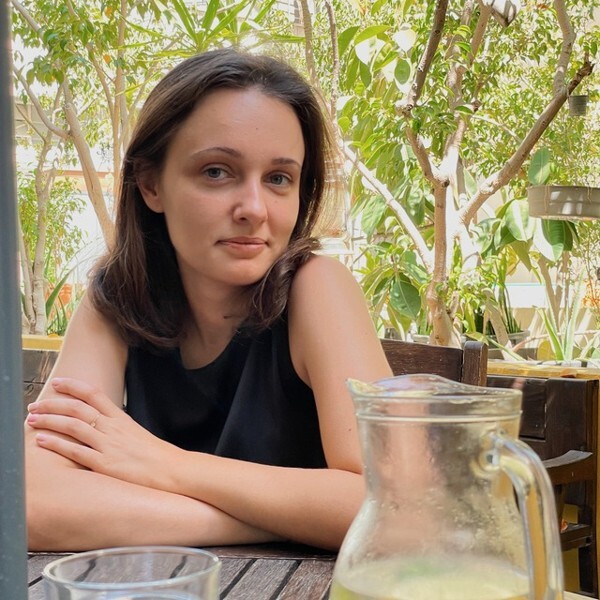
I really enjoyed the training, and I came away with the most positive impressions. You could see how much the Co-Actors team put into tailoring the programme specifically to our needs, our context, and the way project managers work.
It wasn't a generic training "for everyone" — everything was very concrete and hands-on, tied to our real working situations.
I used one of the tools almost right away myself, in an online work meeting: I asked the group to decide together what to do about the timing when we'd fallen behind the agenda. It helped share responsibility for the process with the participants and let the rest of the meeting go more calmly.
Thank you to the Co-Actors team — it was very comfortable working with you, both during preparation and during the training. We all genuinely enjoyed it, and I hope we'll have more chances to work together.
How we prepared
The training was the manager's initiative, not the team's own request: participants came because they were invited, not because they had asked for it. So our trainer, Oksana Slivinskaya, did preparation work before the training.

Scoped the brief with the client
Symptoms, goals, success criteria

Ran a pre-training survey
On meetings, cross-cultural situations, and self-assessed skills

Conducted participant interviews
30 minutes with each participant

Built a bank of real cases
25+ real situations from the interviews, to work through in a safe environment
The facilitation training programme
Over two days, we refreshed the fundamentals and gave the managers practical tools they can use right away in any meeting — from meetings with their own team to meetings with senior executives.
Team introductions and surfacing problems
Talent Fair
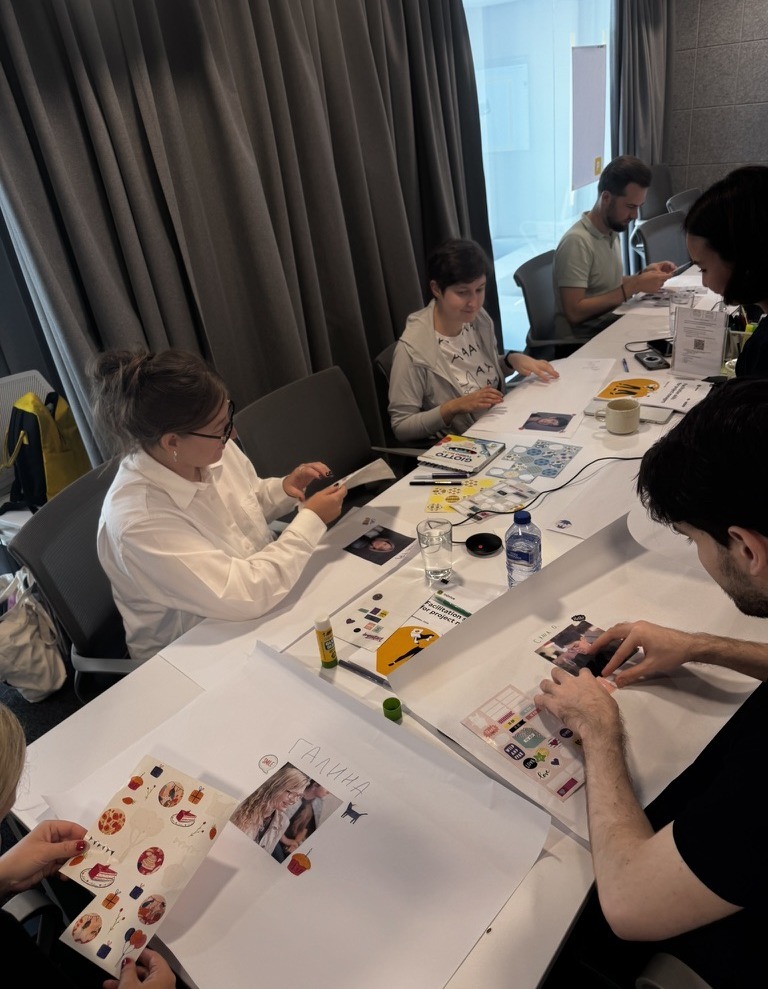
An icebreaker activity: each manager shares their working style and their superpowers
Mini-retrospective
The trainer ran a retrospective as a facilitation demo: the group reviewed the current project cycle and surfaced shared pain points around running meetings
The formula for an effective decision
Discussed how decision quality affects follow-through, and worked through the team's own cases
Facilitating spontaneous discussions
Ran several demos and learned the Focused Conversation Method (ORID)
Facilitation tools for managers
Core facilitator tools
Learned a set of techniques useful in any meeting
Facilitating cross-cultural groups
Looked at typical group disagreements through the lens of cultural differences, and discussed key strategies for working with different participants
Difficult situations in meetings
Selected tools for handling difficult cases and practiced the Intervention Cycle in small groups
Preparing for meetings
Used the 5P meeting canvas to build a brief for a real meeting and drafted plans applying the new techniques and knowledge
"What I especially liked was the interactive format: lots of exercises, discussions, and the chance to try the tools on our own practice right away. It seems to have landed with the whole group — colleagues have already started applying what they learned when preparing workshops and working with stakeholders."
Built around this team
Oksana Slivinskaya rebuilt the standard programme for a team of project managers, based on the interviews, the group's real meetings, and the client's request.
Moderating spontaneous meetings
Focus on moderating short 15–30 minute meetings and discussions, and on practical tools that work in any meeting.
Difficult situations
We practiced the techniques on the team's own real situations, anonymized. Participants recognized their own meetings, not textbook examples.
Working across cultural differences
We wove in a block on cultural differences: how to adapt a facilitator's moves for participants from different countries.
Meet your trainer
Oksana Slivinskaya
In IT since 2014: started as a project manager and worked her way up to operations lead of a development department. In 2018 she moved into a Scrum Master role at Semrush, helping scale development processes for a core ML product.
In 2021 she launched Co-Actors and the Telegram channel Facilitation Without Shame.
She runs corporate and open certification trainings, facilitates product and team sessions, and supports organizational change as a Transformation Lead.
Training outcomes
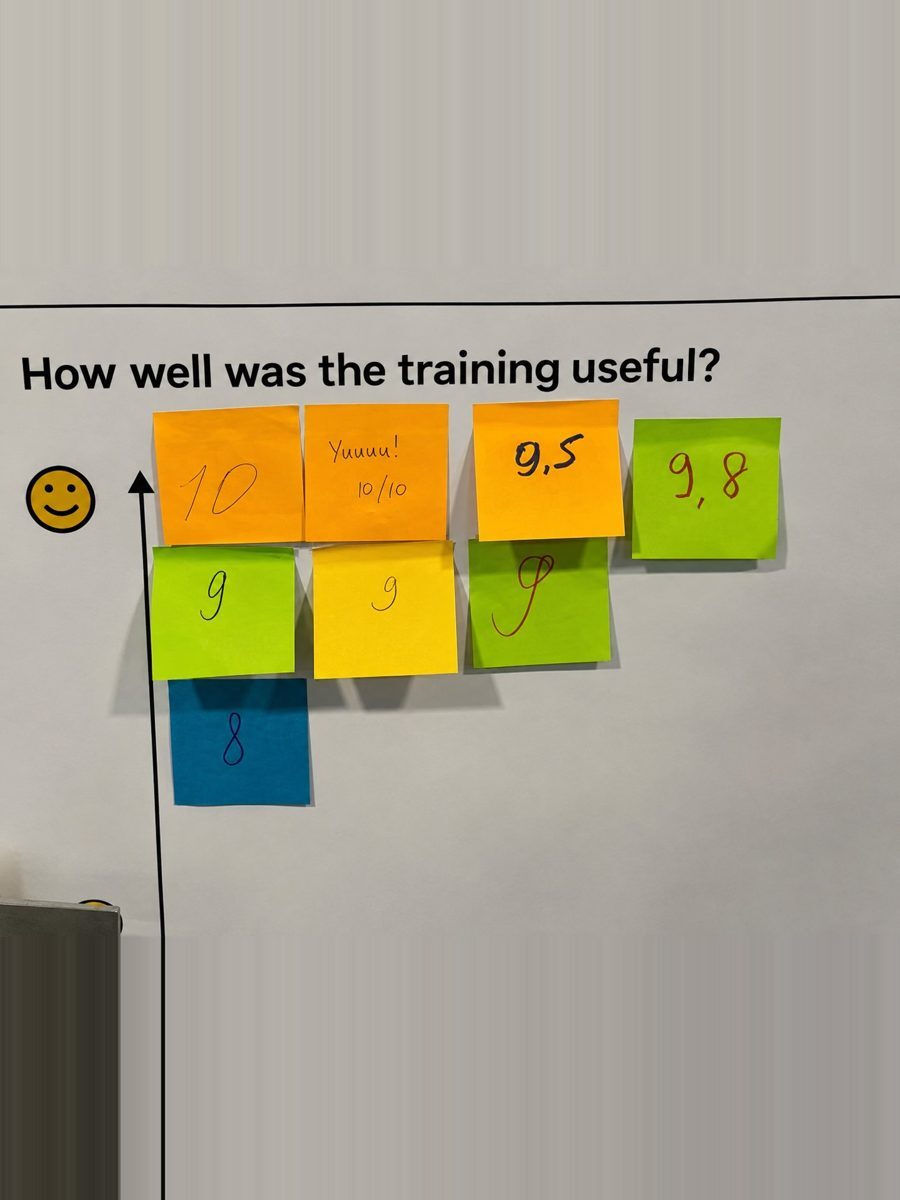
- Average training usefulness rating: 9.3 out of 10, based on the group's survey
- Within a week, several participants were already applying the new approaches in their regular meetings and stakeholder workshops
- The meeting-prep template went straight into use: the team now plans real meetings with it
- The team aligned on shared approaches: they mapped out common processes and pain points and agreed on an improvement plan
Follow-up after a month and a half
In a month, the team meets with the trainer online to discuss what worked and where challenges came up.
Meetings like this increase on-the-job application of the tools: participants come back to the material and put it into practice, instead of leaving it in a workbook.
"In the first four hours we managed to really connect with the group: they laid out their process and their pain points, and we genuinely surfaced what mattered to them. That's when the group synced up — on how each person saw their zones of influence, and whether those could be influenced at all. It created a space where people could share opinions and tell their own stories."
Frequently asked questions about the training
How long does a facilitation training take?
In this case, two full in-person days, from 10:00 am to 6:00 pm. We adapt the format to the team — sometimes two days in a row, sometimes a series of shorter modules.
Can the training be run online?
Yes, facilitation training runs both in person and online. For inDrive we chose an in-person format: the team works remotely and rarely gets together in one place.
What languages do you train in?
In Russian and English. This training was held in Russian at inDrive's office in Limassol, Cyprus.
What do participants get after the training?
A workbook, meeting-prep templates, and a set of techniques. On request, an ICAgile ICP-ATF certificate and an invitation to the Co-Actors facilitators' club.
Tell us about your team
We'll build a programme around your meetings and real situations — just like we did for inDrive.